All About
Grapes

Grapes have been around a long, long time – in fact, the first grape varieties date as far back as 6000 B.C.
In California, the fresh grape boom hit in 1839 when a former trapper from Kentucky, William Wolfskill, planted the state’s first table grape vineyard in the Mexican colonial pueblo now known as Los Angeles. An agricultural entrepreneur, Wolfskill was the first farmer to ship fresh grapes to Northern California. R.B. Blowers expanded the idea and sent the first 22-pound box of California grapes to Chicago via the new transcontinental railroad in 1869.
The gold rush may have ended, but the grape rush continues. Today, over 99 percent of grapes commercially grown in the United States come from California. With more than 80 varieties grown, California grapes come in three colors – green, red, and black – and are available May through January. At a crop value of $2.59 billion in 2024, California table grape growers harvested more than 93.2 million boxes of grapes, sending them to shoppers worldwide.
California’s table grape growers are committed to giving you the best tasting, highest quality grapes in the world, so the highest standards of production are applied to every vine grown. Grapes from California are cultivated, picked, packed, and transported with the greatest care to ensure the berries you enjoy arrive in just-picked condition: plump, juicy, and perfect.
With these simple tips, you'll be guaranteed a great grape experience:
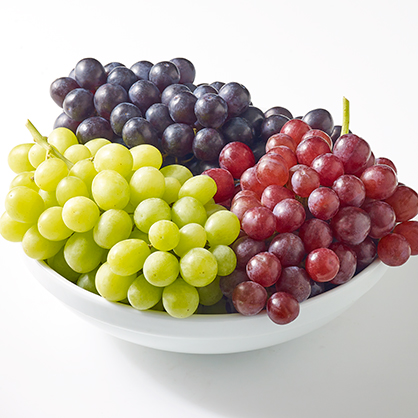
Look for grape bunches with green, pliable stems and plump berries. Do you see a waxy, whitish covering on grape berries, giving a frosted appearance to dark-colored varieties? That’s bloom and it’s good! Bloom is a naturally occurring substance that protects grapes from moisture loss and decay. To prolong shelf life, store table grapes unwashed in the refrigerator and rinse them with cold water prior to eating. Green, red, or black…which color should you choose? Try them all to experience different flavors, shapes, colors, and textures.

Grapes can keep for up to two weeks when following a few simple steps:

Grapes can be eaten fresh or frozen and are a wonderful addition of flavor and texture to anything from salads to sides, drinks to desserts. Whether sautéed, roasted, grilled, or even pickled, grapes make it easy for anyone to take their snacks and meals to the next level.
Find hundreds of recipe ideas here