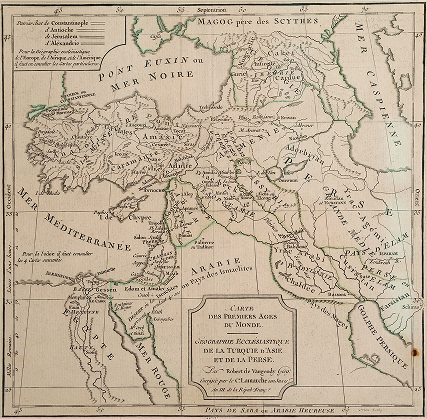
Vitis vinifera grape (common grape vine) varieties are first cultivated near northern Iran between the Black and Caspian seas.
California Table Grape History
For more than two centuries,
Californians have been cultivating grapes.
Viticulture, or the science, production, and study of grapes, first began in California in the late 1700s when Spanish friars arrived to establish Catholic missions. Because the native grapes were sour and made poor wine, the friars brought over grapes from Europe and planted their own vineyards to make sacramental wine.
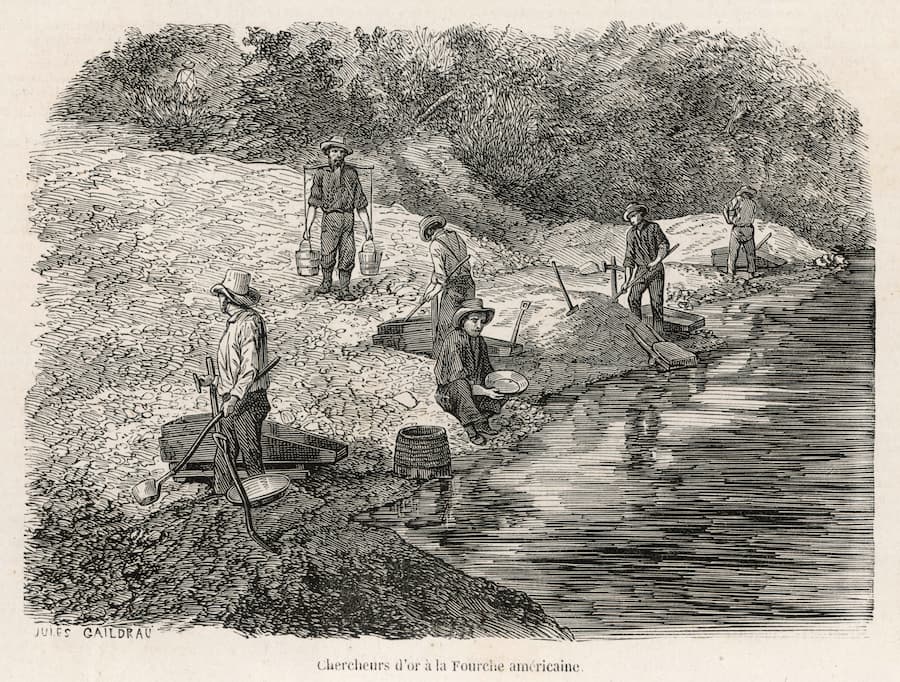
In the mid-1800s, prospectors poured into California. They came looking for gold until some discovered that there might be more money in grapes. Shortly after the Gold Rush, California’s fledgling agricultural society declared, “Capital put into vineyards would bring greater rewards than…fluming rivers for golden treasures.”
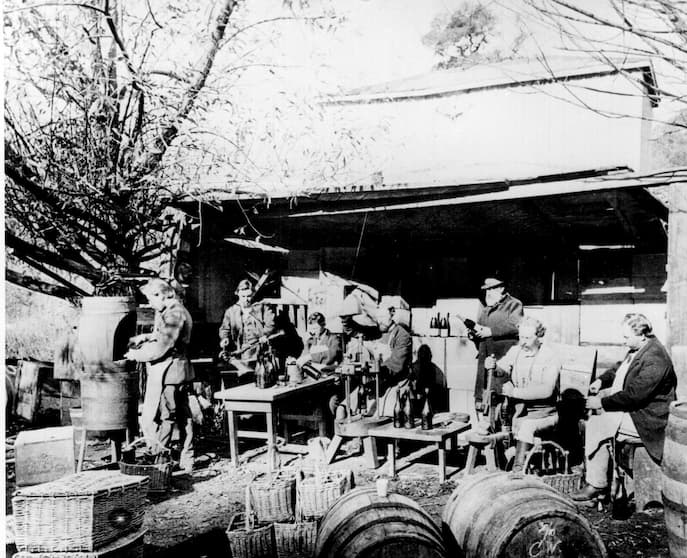
Sparkling wine being bottled during the early 1870s at Buena Vista, as photographed by Eadweard Muybridge
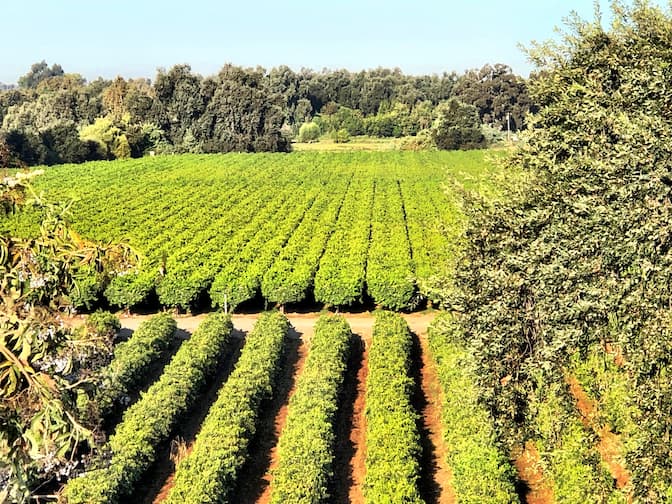
Their instincts were good. California’s warm, dry climate turned out to be ideal for growing grapes. Today, more than 856,000 acres across California are planted with fresh grape, wine, and raisin vineyards, and 99 percent of U.S. commercially-grown table grapes are from California.
grapesover the years.


The Life Cycle in the
Vineyards
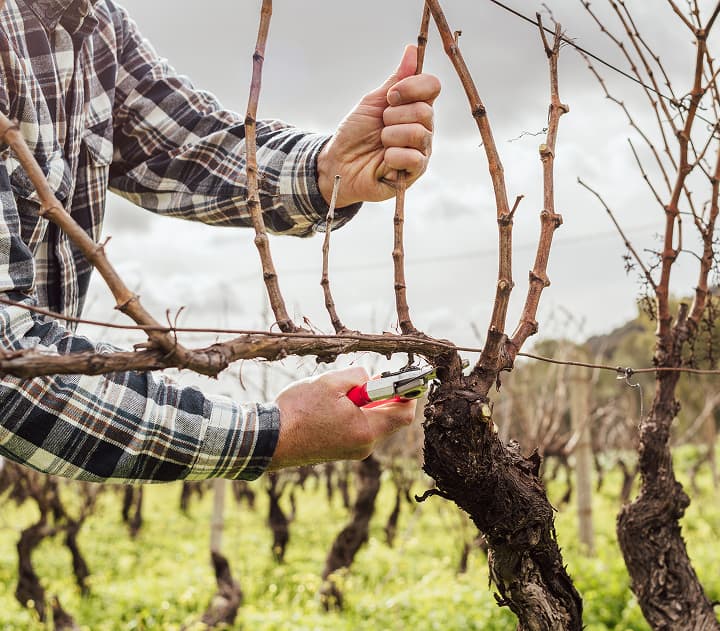
The winter months are an important part of the California table grape growing cycle. Growth and development stop temporarily and the vines rest. This stage is called “dormancy.” At this time, growers prune the vines and set them up for the upcoming growing season. Pruning and training of the vines are two of the most important aspects for quality grape production – growers decide how much and which parts of the previous season’s growth to remove in order to regulate vegetative growth (shoots and leaves) and crop load (grape clusters) to produce quality grapes and optimum yield.
In early spring tiny buds on the vine start to swell and green leaves appear. Appearance of the first green leaves through the bud scales is called budbreak.
